
 by
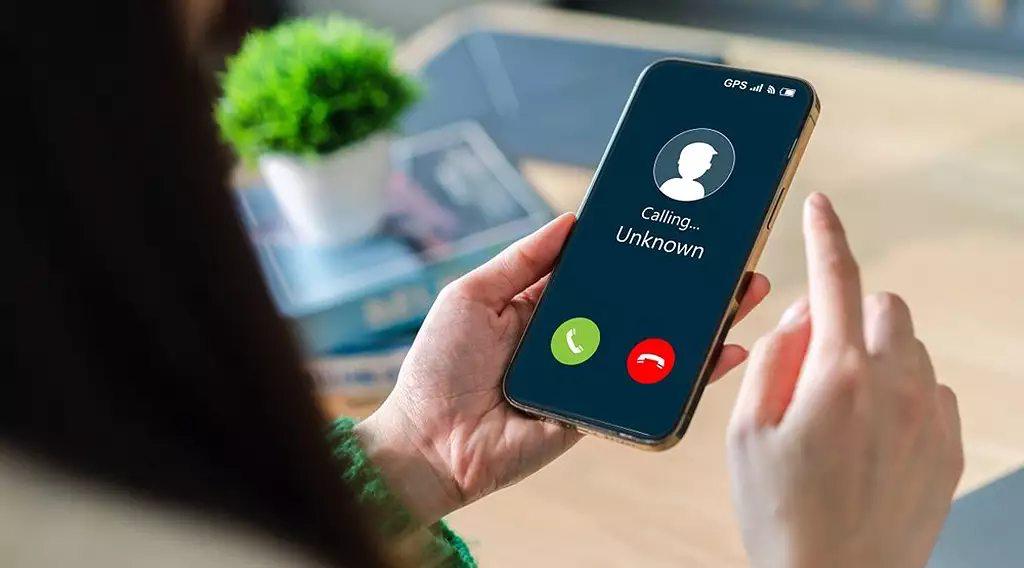
Do you remember a time when a ringing telephone brought a sense of curiosity or joy?
Years ago, when the landline rang in our family home, someone would run to answer it. It was usually an aunt checking in, a friend asking about homework, or a relative calling to arrange a weekend makan session.
Fast forward to today.
Your mobile phone sits on your desk. It starts vibrating. An unknown number flashes on the screen.
What is the very first emotion you feel?
It isn’t curiosity. It isn’t excitement.
It’s a sharp spike of anxiety.
Your stomach drops slightly. You freeze. You watch the screen light up repeatedly, counting down the seconds until the call ends. You wonder: Is this a real call? Is it a scammer? Is it someone telling me I owe money for a fine I never received? Or is it just a pushy telemarketer?
If you feel this way, please know that you are not alone. We are living through a subtle, silent epidemic of phone anxiety in Malaysia, and it is changing the way we interact with each other every day.
How Phone Scams Stole Our Peace of Mind
This collective anxiety didn’t happen by accident. It is the direct result of living in an environment flooded with relentless financial scams.
Over the past few years, statistics from the Royal Malaysia Police (PDRM) show that Malaysians have lost more than RM2.97 billion to cybercrimes and scams. Think about that number for a second. That isn’t just a statistic on a piece of paper—that represents the life savings of retirees, the hard-earned salaries of young professionals, and the college funds of children.
We’ve all heard the heartbreaking stories:
- The uncle who lost his entire EPF savings because someone claiming to be from the police told him his identity was tied to a drug syndicate.
- The university student who gave away her bank details because a caller claiming to be from a courier company threatened her with legal action.
- The mother who transferred her monthly budget because a voice on the phone sounded panicked and claimed her child was in trouble.
These scammers don’t use physical weapons; they use psychological tricks. Bank Negara Malaysia (BNM) and mental health experts call this social engineering—the art of manipulating human emotions like fear, urgency, and respect for authority to make us act against our own best interests.
Because these criminal networks have operated so aggressively, we have developed a natural defense mechanism: we stop answering the phone.
The Real Cost of Phone Avoidance
While ignoring unknown calls keeps us safe from scammers, it also creates new problems in our daily lives.
We are so afraid of being scammed that we end up missing out on important, genuine human connections and real-world opportunities.
Here’s how this constant state of phone anxiety plays out in our everyday routines:
1. Missing Important Family & Emergency Calls
Imagine your elderly parent’s phone battery dies while they are out, and they borrow a stranger’s phone to call you. You see a random 017 number on your screen, assume it’s a spammer, and reject it. They are left stranded, and you are left feeling guilty once you realize what happened.
2. Job Hunters Missing Career Opportunities
If you’re currently looking for a job, you know how crucial it is to be responsive. Human resource managers often call candidates directly from company office lines to schedule interviews. If you reject every unknown 03 landline number out of scam fear, you might be accidentally closing the door on your dream career.
3. Freelancers and Small Business Owners
If you run a small business, a home bakery, or work as a freelancer, your phone is your lifeline. You can’t afford to ignore calls from potential clients. Yet every time you pick up, you brace yourself for a potential scam attempt, adding unnecessary stress to your workday.
Taking Our Power Back: How to Handle Unknown Calls
We shouldn’t have to live like this. We shouldn’t have to choose between constant anxiety and complete isolation.
The secret to overcoming phone anxiety isn’t ignoring every call—it’s having the right tools and information so you can make informed choices with total confidence.
Instead of guessing who is on the other end of the line, we can use smart, simple resources to inspect incoming calls before we decide how to respond.
When an unfamiliar number pops up on your screen, you don’t have to panic. You can simply take a step back and run a quick search on a dedicated community platform like SiapaCall.my.
What Makes Reverse Lookup So Empowering?
- Instant Clarity: By searching an unknown number on SiapaCall.my, you instantly get access to real reports submitted by fellow Malaysians who have already interacted with that caller.
- Context Over Fear: You immediately see if a number is tagged as a legitimate delivery service, an office landline, or a known Macau scam operator.
- Community Protection: Every time you leave a comment or report a spammer on the site, you are directly protecting your fellow Malaysians, your parents, and your friends from falling into the same trap.
A Simple Family Safety Guide for Every Malaysian Household
To keep your family safe and bring peace of mind back to your home, here is a practical, easy-to-follow security playbook you can share with your loved ones today:
Rule #1: The 5-Second Pause
If a caller tells you something alarming—like “You have an outstanding court summons” or “Your bank account is compromised”—do not panic.
Pause for 5 seconds. Take a deep breath.
Real government departments and banks will never demand an immediate cash transfer over the phone to clear a legal case. Hang up, take a moment to look up the number on SiapaCall.my, and call the organization back through their official public hotline.
Rule #2: Treat OTP/TAC Codes Like House Keys
Your bank or messaging app will send you One-Time Passwords (OTP) via SMS for verification.
Think of these codes as the physical keys to your front door. You wouldn’t hand your house keys to a stranger who walked up to your gate, right?
Never, under any circumstances, read an OTP or TAC code to anyone who calls you on the phone. No genuine bank officer or company agent will ever ask for it.
Rule #3: Double-Check Bank Accounts on Semak Mule
If you are buying something online or transferring money to a new contact, get into the habit of running their bank account number or phone number through PDRM’s Semak Mule web portal. If that account has been flagged in official police reports, don’t send a single ringgit.
Rule #4: Keep the Emergency Hotline (NSRC 997) Saved
If the absolute worst happens and you or a family member accidentally transfer money to a scammer, do not waste time in self-blame.
Immediately dial 997 to reach the National Scam Response Centre (NSRC).
The NSRC is a specialized command center operated by the Malaysian government, PDRM, Bank Negara Malaysia, and major commercial banks. If you report the transaction quickly, they can trace the movement of funds and place an emergency freeze on the recipient account before the criminals can withdraw the money.
Final Thoughts
We don’t need to let cybercriminals take away our peace of mind or make us afraid of our own technology.
By equipping ourselves with real-time awareness, using free community resources like SiapaCall.my, and maintaining open communication with our families, we can replace fear with confidence.
The next time your phone rings, don’t let anxiety take over. Take control, check the number, and keep your digital life safe and peaceful.


